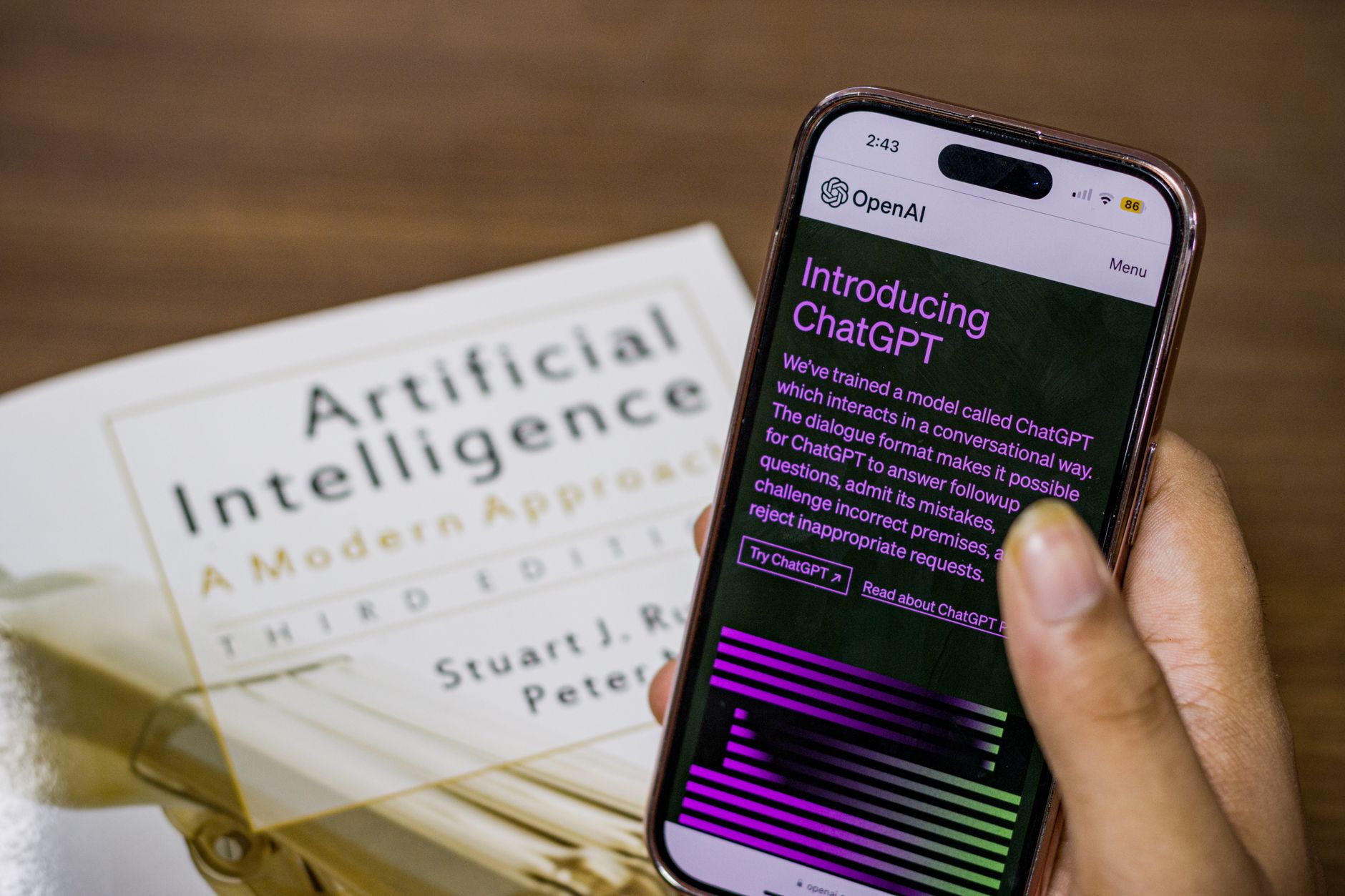
Ten years ago, picking a chatbot meant choosing between two barely useful options. Now there are five serious ones, and they do genuinely different things. ChatGPT writes and edits. Claude reads very long documents without losing the thread. Gemini lives inside Gmail and Docs. Perplexity shows its sources. Copilot sits in the Windows taskbar. Choosing wrong mostly means paying for features you never touch. Choosing right makes ordinary chores faster, from planning meals to drafting an email you have been avoiding for two weeks. This guide compares the best AI chatbot options for normal, non-technical people, based on free tier limits, real monthly prices, and how each one behaves when you use it for actual daily tasks rather than party tricks. Start here if any of this is new to you: how to use AI in daily life.
We ran each chatbot through the same six jobs: summarizing a long PDF, planning a week of dinners, rewriting a complaint letter, explaining a confusing medical bill, brainstorming a birthday party, and answering a question that required a current fact. Then we compared free tier limits and paid prices side by side. Free plans are more capable than most people expect. The trade-off is almost always message caps, not answer quality. You can get a lot done without paying anything, which is why our roundup of free AI tools is worth reading before you hand over a credit card. Every price below is a US list price as of early 2026.
Every major chatbot now has a $20 per month tier. That number is not a coincidence. OpenAI, Anthropic, Google, and Perplexity all landed on roughly the same consumer price. The OpenAI pricing page lists the current consumer tiers and what each one includes, and the pattern repeats across vendors. What you get for that $20 differs a lot. Some plans allow longer conversations. Some give access to newer models first. Some simply raise the daily message ceiling. Before you subscribe to anything, ask what specifically is blocking you on the free plan. If the answer is nothing yet, wait. Our ChatGPT Plus value breakdown walks through the math.
One thing the marketing pages underplay: everything you type goes to a company server. Several chatbots use your conversations to improve their models unless you switch that off in settings. That matters if you work with client names, health details, or account numbers. Read our AI privacy guide before you paste anything sensitive into a chat box. The practical rule is simple. Treat an AI chatbot like a smart stranger sitting at the next table. Great for brainstorming, drafting, and explaining. Not the place for your Social Security number.
How Do the Top Options Compare?
| Chatbot | Best For | Free Tier Limit | Paid Price | Context Window |
|---|---|---|---|---|
| ChatGPT | Everyday all-round tasks | Message caps on newest models | $20/month (Plus) | Around 400K tokens |
| Claude | Long documents and writing | Limited messages per day | $20/month (Pro) | Around 200K tokens |
| Gemini | Free help inside Google apps | Free with a Google account | $19.99/month (Google AI Pro) | Up to 1M tokens |
| Perplexity | Research with cited sources | A few Pro searches per day | $20/month (Pro) | 128K to 200K tokens |
| Copilot | Windows and Microsoft 365 users | Free chat with daily boosts | $20/month (Copilot Pro) | Around 128K tokens |
Prices are US list prices as of early 2026 and change often. Free tier limits shift without notice, and vendors sometimes move a feature from paid to free or the other way around. Check each vendor’s own page before you subscribe. Context window figures refer to the largest consumer model each vendor offers and vary by model within the same brand.
1. ChatGPT , Best for everyday all-round tasks

ChatGPT is the chatbot most people picture when they hear the phrase. The free tier still gives you a capable model, but daily message caps arrive fast once you start pasting long emails or asking for full drafts. Plus costs $20 per month, lifts most of those limits, and usually gets new models first.
Real use looks mundane. Tell it your dietary restrictions and it builds a week of dinners. Paste a confusing insurance letter and ask for a plain-English summary in five sentences. Turn a messy pile of notes into three tidy paragraphs for a school newsletter. That range is why ChatGPT is the safest first pick for a beginner. We collected more of these in our ChatGPT personal use ideas guide.
The catch is confidence. ChatGPT states wrong facts in the same cheerful tone it uses for correct ones, so verify anything involving numbers, dates, or legal weight. It also runs on remote servers, which means your text leaves your device. Avoid pasting medical records, tax IDs, or passwords. Voice mode on the phone app works well for hands-free questions while cooking, a small feature that quietly gets used more than the flashy ones.
Key strengths:
- ✅ Broad capability. It writes, edits, translates, explains math, and reads images without you switching tools.
- ✅ A free tier that is useful rather than a demo. You can finish real tasks before hitting a cap.
- ✅ The largest library of beginner tutorials anywhere, so help is easy to find when you get stuck.
- ✅ One account covers the website, phone app, and desktop app, with conversations synced between them.
- ❌ Both free and Plus tiers have message caps, and those caps change without much warning.
- ❌ It will confidently invent details, especially citations, statistics, and dates.
- ❌ Memory features store personal context across chats, which some people find uncomfortable.
Who it’s for: Choose ChatGPT if you want one chatbot that handles the widest range of everyday tasks and you prefer the option with the most beginner guides.
2. Claude , Best for long documents and careful writing
Claude is built by Anthropic, and the pitch is different from ChatGPT’s. It shines when you hand it something long. Drop in a 60-page lease, a dense research paper, or a full year of meeting notes, and it keeps track of the details. Anthropic’s models handle around 200,000 tokens of text at once, which is roughly a 500-page book, and the Anthropic model pages spell out the context limit for each model.
Writing quality is the other reason people switch. Claude tends to produce prose that sounds less like a press release and more like a person. Ask it to rewrite a paragraph in a warmer tone and the difference is obvious within one try. Our Claude Pro review covers where it beats ChatGPT and where it does not.
The free plan is tighter than ChatGPT’s. You get a limited number of messages per day, and heavy use locks you out until the next day. Pro costs $20 per month. Claude also skips some of the flashier extras, like image generation or a big library of app add-ons. If your main need is help with documents and writing, that trade is fine. If you want one app that does everything, it is not.
Key strengths:
- ✅ Handles very long documents without forgetting earlier sections you fed it an hour ago.
- ✅ Writing that reads naturally, with less of the stiff, list-heavy tone other bots default to.
- ✅ More willing to say it does not know something, which reduces invented facts.
- ✅ File uploads and analysis work directly in the chat on both free and paid plans.
- ❌ Free tier message limits are stricter than ChatGPT’s, so daily use hits walls.
- ❌ No image generation built in, so you need a second tool for visuals.
- ❌ Fewer third-party app integrations than Google or Microsoft offer.
Who it’s for: Pick Claude if your main jobs involve long documents, careful editing, or writing that needs to sound human.
3. Google Gemini , Best free option for Google users
Gemini is Google’s chatbot, and its advantage is location. It sits inside Gmail, Google Docs, Sheets, and the Chrome address bar, so you can ask for a summary of an email thread without leaving your inbox. Google AI lists current plans and model details on its Google AI page.
The free version is the most generous of the five. Sign in with a Google account and you get a strong model plus limited image generation, capped by daily limits rather than a paywall. Google AI Pro runs $19.99 per month and adds higher limits, early access to newer models, and extra storage shared across your Google apps.
Context length is the standout number. Gemini models accept up to 1 million tokens, well beyond most competitors, which means you can upload a long video transcript or an entire textbook chapter and ask questions about all of it. The downside is consistency. Gemini’s answers swing more than ChatGPT’s between sharp and oddly flat, and it sometimes ignores part of a long prompt. It is also the most tightly tied to one company’s accounts.
Key strengths:
- ✅ Strongest free tier of the five, with no credit card and no trial clock.
- ✅ Up to 1 million tokens of context, useful for very large documents and transcripts.
- ✅ Native access inside Gmail, Docs, and Sheets saves a lot of copying and pasting.
- ✅ Storage and account settings are shared with Google apps you already pay for.
- ❌ Answer quality is less consistent than ChatGPT or Claude, especially for long drafts.
- ❌ Privacy settings are tangled up with your overall Google account, which confuses people.
- ❌ The best features assume you are comfortable living inside Google products.
Who it’s for: Choose Gemini if you already live in Gmail and Google Docs and you want the best free chatbot without paying anything.
4. Perplexity , Best for answers you can fact-check

Perplexity answers like a researcher. Every response comes with numbered source links, so you can check where a claim came from instead of trusting it blindly. That single habit makes it the best pick for questions with a factual answer, like what a new tax rule actually says or whether a store is open on a holiday.
The free tier includes a small number of Pro searches per day, which route your question to a stronger model and search more sources. Perplexity Pro costs $20 per month and raises that ceiling. It also lets you choose which underlying model handles the job, so you can pick a fast one for a quick lookup or a slower one for a longer answer.
Where it falls short is anything creative. Ask for a wedding toast draft and the result reads like a Wikipedia summary with the jokes removed. It is a research tool wearing a chatbot costume, and it is honest about that. The other quirk is that it searches the web by default, which means your questions become search queries attached to your account.
Key strengths:
- ✅ Citations on every answer make fact-checking fast and normal instead of a chore.
- ✅ Better than general chatbots at current events and anything published recently.
- ✅ The free tier is genuinely usable for occasional research and price comparisons.
- ✅ You can switch between underlying models without changing apps or accounts.
- ❌ Weak at creative writing, brainstorming, and long personal drafts.
- ❌ Free Pro searches run out quickly if you use it every day.
- ❌ Answers lean short, so you often need a second tool to expand the result.
Who it’s for: Choose Perplexity if you mostly ask factual questions and you want to see the sources behind each answer.
5. Microsoft Copilot , Best for Windows and Microsoft 365 users
Copilot is Microsoft’s chatbot, and it comes preinstalled on Windows laptops. That makes it the one many people stumble into by accident. The free version runs on Microsoft’s servers with a daily boost limit, and it pulls from Bing search when a question needs current information. Copilot Pro costs $20 per month and adds priority access plus deeper ties to Word, Excel, and PowerPoint.
The reason to choose Copilot is context. If your whole day happens in Outlook and Excel, having a chat window that can read the document already open in front of you saves real time. Ask it to summarize a 40-slide deck or draft a reply to a long email chain and it works from what is on your screen, not from a description you typed out.
Outside Microsoft’s world, it trails the leaders. Answers are competent but rarely better than ChatGPT’s, and the daily boost limit runs out during heavy use. Image generation is included with daily caps, which is a genuine plus for quick graphics. Think of it as a convenience pick rather than a quality pick.
Key strengths:
- ✅ Built into Windows, Edge, and Microsoft 365, so there is nothing to install or bookmark.
- ✅ Works with the document or spreadsheet you already have open on your screen.
- ✅ Image generation is included on the free tier with daily limits.
- ✅ Strong value if your workplace already pays for Microsoft 365.
- ❌ Answer quality trails ChatGPT and Claude for writing and editing tasks.
- ❌ The best features need both Copilot Pro and a Microsoft 365 subscription.
- ❌ Occasional slowness during peak hours on the free tier.
Who it’s for: Choose Copilot if you spend your workday inside Windows, Outlook, and Office and want AI help without opening another app.
Frequently Asked Questions
What is the best AI chatbot for a complete beginner?
ChatGPT is the easiest starting point. The interface is simple, the free tier is useful, and there are more tutorials for it than for any other chatbot. You can switch later once you know what you actually need.
Are free AI chatbots good enough for everyday use?
Yes for most people. Free tiers from ChatGPT, Claude, Gemini, Copilot, and Perplexity can all finish real tasks. The limit you hit is usually a daily message cap, not a drop in quality. Gemini and Copilot have the most generous free plans.
Is ChatGPT Plus worth $20 a month?
Only if the free tier is genuinely blocking you. The usual signs are hitting message caps several times a week, needing the newest models, or using voice and file uploads constantly. If none of that sounds like you, stay on free.
Which chatbot is best for long PDFs and documents?
Claude handles long documents reliably and keeps track of details across a 200,000 token context. Gemini accepts up to 1 million tokens, which is larger, but its answers are less consistent. Try both on the same file before deciding.
Can I trust what an AI chatbot tells me?
Not without checking. All of these tools invent details sometimes, especially statistics, dates, and citations. Perplexity helps because every answer includes source links. For anything involving money, health, or law, verify with a real source.
Do I need to pay for more than one chatbot?
No. One paid subscription is normally enough for personal use, and many people pay for none at all. A sensible setup is a free Gemini or ChatGPT account plus a free Perplexity account for fact-checking.
What Should You Remember?
- Start with ChatGPT if you want a single chatbot and you are new to all of this.
- Do not pay on day one. Every free tier on this list can finish real tasks before you hit a limit.
- Match the tool to the job. Claude for long documents, Perplexity for facts with sources, Gemini for Google apps, Copilot for Windows and Office.
- Check the context window if you work with long PDFs. Claude handles around 200,000 tokens, and Gemini goes up to 1 million.
- Assume nothing is private. Anything you type into a chatbot leaves your device and may be used for training.
- Cap your spending at $20 a month. That is the standard consumer price everywhere, and one subscription covers most personal needs.
This article is for general information only. AI tools, pricing tiers, and free limits change frequently, so verify current features and pricing on the vendor’s own site before committing. Some links may be affiliate links that support this site at no cost to you.