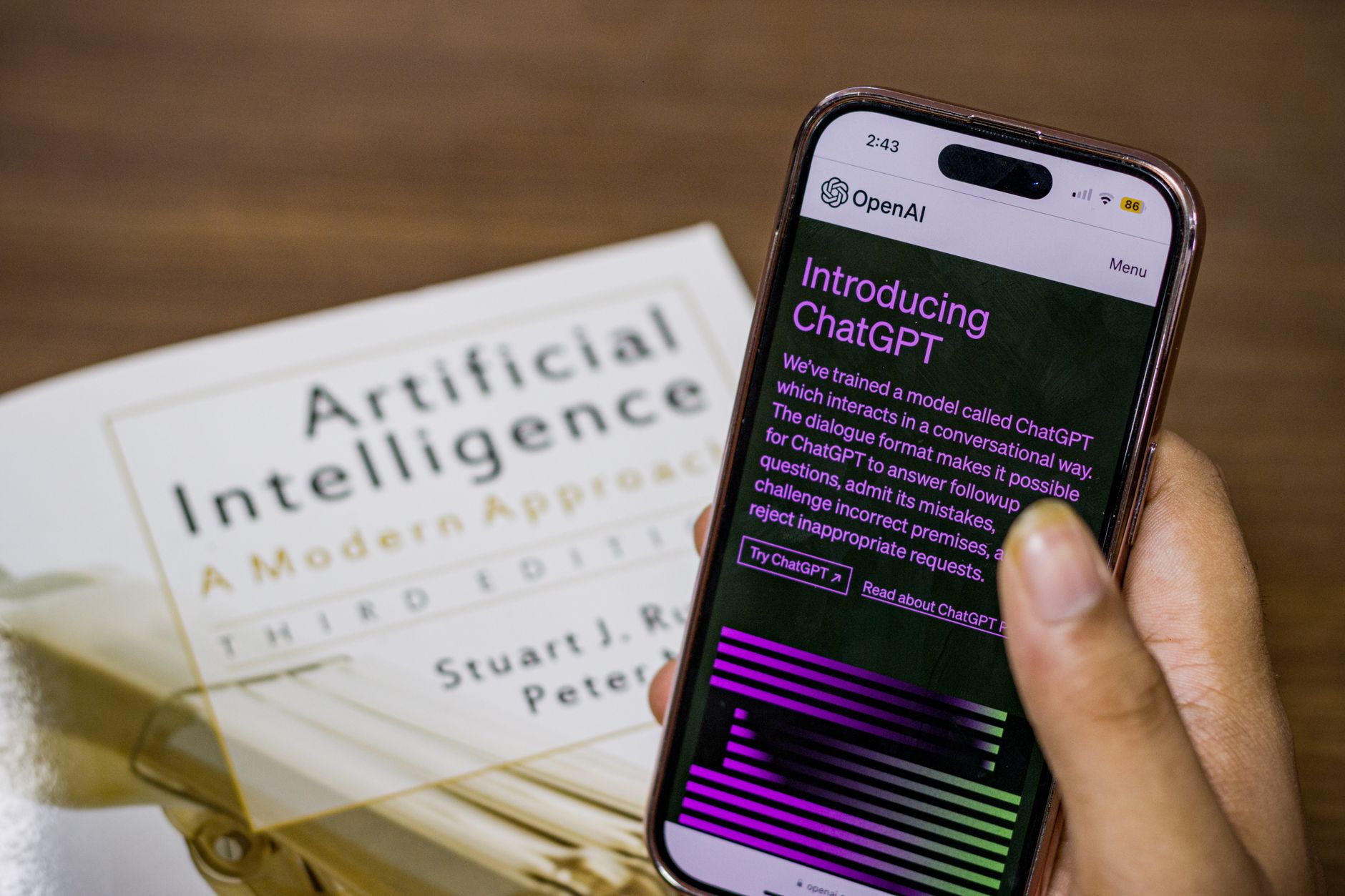
Most people write more than they realize. You send emails, post updates, write event invitations, and leave online reviews. AI copywriting tools can make these everyday writing tasks faster and less stressful. The tools are now simple enough for anyone to use. You do not need a marketing background or a technical degree. You just need to type a clear request. ChatGPT by OpenAI is one well-known option, but it is not the only one. Claude and Microsoft Copilot offer similar help with slightly different strengths. You can use them for one-off tasks or build them into your daily routine. For a broader view, start with how to use AI in daily life.
The appeal is simple. AI can turn a rough draft into a clean message in seconds. It can suggest subject lines, rewrite a polite complaint, or shorten a long family update. Microsoft’s 2024 Work Trend Index found that 75 percent of knowledge workers now use AI at work, and many of them use it for writing tasks. That same habit is spreading into personal life. People are using AI for thank-you notes, PTA messages, and even birthday speeches. The key is to treat the tool as an assistant, not an author. You stay in charge of the final message.
This guide explains what AI copywriting tools are, which ones are best for beginners, and how to use them without losing your voice. It also covers common mistakes and costs. If you have never used a chatbot for writing, this is a safe place to start. The goal is not to write like a machine. It is to spend less time stuck and more time sending clear, confident messages that still sound like you.
| Tool | Best For | Free Tier | Paid Starting Price |
|---|---|---|---|
| ChatGPT (OpenAI) | Beginner friendly all rounder for emails, ideas, and corrections | Yes, limited messages | ChatGPT Plus from $20 per month |
| Claude (Anthropic) | Natural tone, longer documents, careful rewrites | Yes, limited messages | Claude Pro from $20 per month |
| Microsoft Copilot | Everyday writing inside Word, Outlook, and Windows | Yes, basic access | Copilot Pro from $20 per month |
| Notion AI | Rewriting and summarizing notes inside Notion docs | Trial only | Notion add on from $10 per month |
What Are AI Copywriting Tools, and How Do They Work?

AI copywriting tools are software programs that use large language models to help you write, edit, or rewrite text. You type a prompt, and the tool generates sentences, subject lines, product descriptions, emails, or ideas. The most popular options include ChatGPT by OpenAI, Claude by Anthropic, and Microsoft Copilot. These tools are no longer just for marketers. They have become practical helpers for daily writing tasks like thank-you notes, event invites, and social posts. If you are new to AI, start with the basics in how to use AI in daily life.
Under the hood, these tools predict what word should come next based on patterns they learned from huge amounts of text. That is why they sound natural. You do not need to know how the model works to use it well. You just need to describe what you want in plain language. For example, you might ask, ‘Help me write a short, warm email to a teacher about rescheduling a meeting.’ The tool then returns several options you can edit. OpenAI reports that ChatGPT has more than 300 million weekly active users, many of whom use it for everyday writing and brainstorming.
The biggest shift is access. A few years ago, helpful writing assistants were expensive and aimed at marketing teams. Today you can open a free chatbot, paste a few sentences, and get a stronger version in seconds. That does not mean the AI knows the perfect thing to say. It means you spend less time staring at a blank page and more time shaping the message. For practical ways to use chatbots beyond writing, see ChatGPT personal use ideas.
Which AI Copywriting Tools Should Beginners Try First?
For most people, the best starting point is a general chatbot rather than a specialized copywriting app. ChatGPT by OpenAI is the most widely known. It handles emails, social captions, summaries, and brainstorming with little setup. Claude by Anthropic is often praised for a more natural, careful tone. It is a strong choice if you want the output to sound less automated. Microsoft Copilot works well inside Word, Outlook, and Windows, which makes it convenient if you already use Microsoft tools. For a closer look at Claude, read Claude Pro review.
If you already keep notes, plans, or docs in Notion, Notion AI can rewrite and summarize text without leaving the page. This is useful for turning messy notes into a clean announcement. Free tiers are generally enough to get started. ChatGPT and Claude both offer free plans with limits. This means you can try them before deciding whether a paid upgrade is worth it. See is ChatGPT Plus worth it for a detailed comparison.
Beginners often worry about choosing the perfect tool. The better approach is to pick one, use it for a week, and write down which tasks feel easier. You can switch later. Most tools share similar core features, so the difference is often comfort and convenience. The comparison table below can help you narrow the choice.
How Can You Use AI Copywriting Tools for Everyday Writing?

You do not need a marketing job to benefit from AI writing help. Think about the text you already write: emails, invitations, birthday messages, bios, online reviews, and meeting notes. AI can turn a rough draft into a clear message. For example, you can paste a rambling note and ask the tool to shorten it to four bullet points. That often saves ten to fifteen minutes on a single task. For more time-saving strategies, see use AI to save time.
One practical workflow is to write a quick rough draft without judging yourself. Then prompt the AI with something like, ‘Make this clearer and more polite for a neighbor. Keep it under 80 words.’ The AI returns a clean version, and you edit the final details. This works for parenting updates, community posts, and small business replies. If you run a side hustle, you can ask for product descriptions, thank-you notes, and apology messages.
You can also use AI to rewrite the same message for different audiences. Paste a note and ask for a version for a friend, a version for a client, and a version for a public post. The tool keeps the core information but shifts the tone. This is helpful when one announcement needs to reach several groups.
- Write an email to a landlord about a broken appliance in three short paragraphs.
- Turn a long family update into a one-paragraph newsletter.
- Rewrite an online review so it sounds calm instead of frustrated.
- Create five Instagram caption options for a home-baked bread photo.
- Summarize a school newsletter into three key dates for your calendar.
What Are the Biggest Mistakes to Avoid with AI Copywriting?

The most common mistake is treating AI output as a final draft. AI tools are very confident, but they can miss context, use generic phrases, or misunderstand your tone. Always read the result and adjust anything that does not sound like you. Another mistake is asking for too little. A vague prompt like ‘write an email’ will produce a bland result. A better prompt includes audience, length, tone, and goal. Small changes in instructions lead to much better copy.
Privacy is another area where people slip up. Free consumer tools may use your conversations to improve their models, so avoid pasting private details like addresses, account numbers, or sensitive family information. Before using a tool for personal writing, review the privacy settings. The AI privacy guide explains what to watch for. Some paid plans offer more control over data retention, but that is not a guarantee of total privacy.
Finally, many people try to use one tool for everything and get frustrated when it does not fit. A tool that is great for quick emails may feel clunky for long-form storytelling. Match the tool to the task and keep a small prompt library of phrases that worked for you. This makes your next writing task faster and more consistent.
How Do You Keep Your Writing Voice When Using AI?
Your writing voice is the reason a message sounds like you, not like a corporate robot. AI can flatten that voice if you let it. To protect it, collect two or three examples of writing you like that sound like you. Paste them into the tool and ask it to describe the tone, rhythm, and vocabulary. Then include that description in future prompts. For example, ‘Keep my tone warm, direct, and slightly playful. Use short sentences and avoid formal language.’
You can also ask the AI to show alternatives. After it gives a draft, say, ‘Make it sound more like me. Remove buzzwords and any sentence that could appear in a corporate brochure.’ This simple cleanup removes the telltale AI words like delve, elevate, and seamless. Keep a small list of banned words for your prompts.
Over time, you will develop a reusable voice guide. It might be a short paragraph you keep in a notes app. Every time you start a new writing task, paste the guide into the chat. That turns the AI from a generic writer into a decent imitation of you. Then your editing job becomes much lighter.
What Does It Cost to Use AI Copywriting Tools?
Most general AI writing tools have a free tier. ChatGPT and Claude let you use limited messages each day without paying. Microsoft Copilot also offers free basic access if you sign in with a Microsoft account. If you only write a few messages per day, the free tier may be all you need. Paid plans, such as ChatGPT Plus and Claude Pro, typically cost around 20 dollars per month. They remove many message limits and give you access to more capable models.
Notion AI is sold as an add-on inside Notion, so it is not a standalone free tool. It may be worth the cost if you already live in Notion for notes and planning. Before you pay, test the free tier for a week. Most people can stay on free plans for personal copywriting tasks. If you write for a side business or send long documents regularly, a paid plan can pay for itself in time saved.
Frequently Asked Questions
Do I need to be a professional writer to use AI copywriting tools?
No. These tools are built for everyday language tasks. If you can type a message describing what you want, you can use them. The AI does the heavy lifting, and you make the final edits.
Are free AI copywriting tools good enough?
For most personal writing tasks, yes. Free versions of ChatGPT, Claude, and Microsoft Copilot can handle emails, captions, summaries, and rewrites. Paid plans mainly add fewer limits and access to newer models.
Can AI copywriting tools write a complete blog post for me?
They can produce a draft, but you should not publish it without editing. AI drafts may contain errors, repeated phrases, or a generic tone. Treat the output as a first draft and add your own examples and voice.
How do I keep my writing from sounding robotic?
Give the AI a short voice guide and ask it to remove buzzwords. Paste examples of your own writing so it can match your tone. Always edit the result to add specific details and natural phrasing.
Is my content private when using AI writing tools?
It depends on the tool and your settings. Free consumer tools may use conversations for model training. Avoid pasting sensitive personal data and review the privacy controls before you use a tool for private writing.
Which AI tool is best for someone brand new to AI?
ChatGPT is a common starting point because it is easy to use and well documented. Claude is worth trying if you want a more careful tone. Microsoft Copilot is ideal if you already use Word and Outlook daily.
What Should You Remember?
- Match the tool to the task. ChatGPT and Claude are strong all-rounders, while Notion AI works best inside existing docs.
- Start with a specific prompt. Tell the AI the audience, tone, length, and goal for better output.
- Always edit the first draft. AI output is a starting point, not a final copy.
- Protect your privacy. Avoid pasting sensitive personal details into free consumer tools.
- Build your own voice guide. Ask the AI to rewrite a sample in your tone before using it regularly.
- Use the free tier first. You can test most tools without paying before choosing a paid plan.
This article is for general information only. AI tools, pricing tiers, and free limits change frequently, so verify current features and pricing on the vendor’s own site before committing. Some links may be affiliate links that support this site at no cost to you.